About School-Counselor.org
School-Counselor.org is an educational resource for anyone exploring or building a career in school counseling. We cover degree pathways, state-by-state licensing requirements, salary data, and the day-to-day realities of the profession, so you can make informed decisions before you invest years and tuition in a graduate program.
We’re convinced that highly qualified, motivated, and compassionate school counselors are one of the most underutilized resources in K-12 education. The work goes well beyond scheduling and college applications. When counselors are empowered to do the full scope of their job (supporting students academically, socially, and emotionally), it shows up in outcomes across the board.
Why We Built This Site, and How It Has Evolved
School counseling is more than 100 years old. It started in the early 1900s as vocational guidance, a set of duties handed to teachers and administrators. Over the decades it became a service, then a comprehensive schoolwide program. Today, school counselors typically complete graduate-level education, supervised fieldwork, and state-specific credentialing requirements. Exact pathways vary by state.
That growth has made the path harder to read from the outside. Requirements differ by state, program formats keep multiplying, and tuition can vary by tens of thousands of dollars for the same credential. We built School-Counselor.org to give prospective counselors one place to sort it out, built on research from the people and organizations who set the rules.
How school counseling grew into the profession it is today
- Early 1900s
Vocational guidance begins in secondary schools, as a position with a list of duties and no program behind it.
- 1952
The American School Counselor Association (ASCA) is founded.
- 1958
The National Defense Education Act expands school counselor training and the number of counseling positions.
- 1960s
School counseling takes root in elementary schools.
- 2001
Federal education legislation acknowledges the profession’s shift in terminology from “guidance counselor” to “school counselor,” including recognition of the elementary school counselor’s role. (Source: American School Counselor Association, A Brief History of School Counseling)
- 2003
ASCA publishes the first ASCA National Model, a shared framework for school counseling programs nationwide. Dr. Trish Hatch, featured below, is one of its co-authors.
- 2014
San Diego State University hosts a White House convening on school counseling, co-led by Dr. Hatch.
- Today
School-Counselor.org reviews more than 260 CACREP-accredited graduate programs and maintains career and licensing guides for every state and Washington, D.C.
The people who contribute to School-Counselor.org are a big part of that story. Counselor educators who prepare the next generation of school counselors. Practitioners who do the work in real schools, with real caseloads. And a research and editorial team that turns all of it into guidance you can use to make a decision.
A Co-Author of the ASCA National Model
Most of the school counseling programs you’ll compare on this site are built around the ASCA National Model. One of the people who helped write it has shared her experience with our readers.
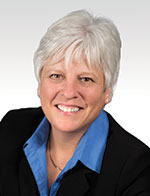
Founder and Board Chair, Hatching Results. Professor Emeritus, San Diego State University.
Dr. Hatch co-authored the original ASCA National Model and directed San Diego State University’s school counseling program from 2004 to 2015. She founded Hatching Results in 2003 and led it as President and CEO for more than twenty years before becoming board chair in 2024. She has served as an expert consultant on school counseling to the White House and the U.S. Department of Education.
She spoke with us about her work helping districts build data-driven school counseling programs, and about what new counselors should know before their first day.
A Counselor Educator’s Perspective
Graduate programs are where school counselors are made. Counselor educators see what separates a well-prepared new counselor from one who struggles in the first year, and they’ve shared that perspective with our readers.
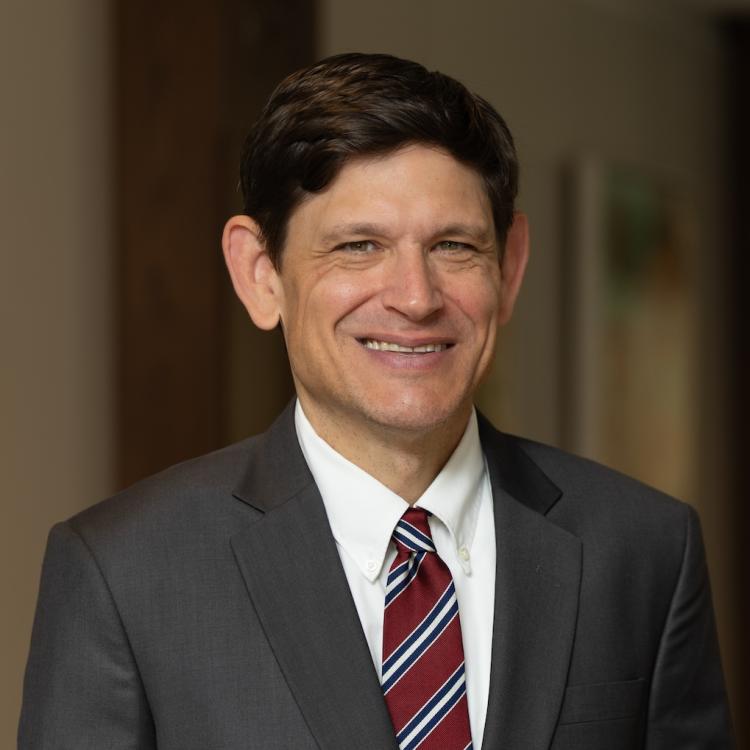
Dean, College of Education and Behavioral Sciences, Eastern University
Dr. Abel worked for nearly a decade as a school counselor and high school football coach before moving into counselor education. He spent 13 years at Butler University as Professor of Counselor Education and Associate Dean of Graduate and Adult Learning Programs, and was named Butler’s Outstanding Professor of the Year for 2023-24. He holds an Ed.D. in Counselor Education and Supervision from Minnesota State University, Mankato.
While at Butler, he shared his perspective with us on school counseling internships and on the counselor’s role in building inclusive schools.
Voices From the Counselor’s Office
Licensing rules and program rankings only tell you so much. The counselors below told us what the job actually looks like: the caseloads, the classroom lessons, the students who walk in with no plan and leave with one.
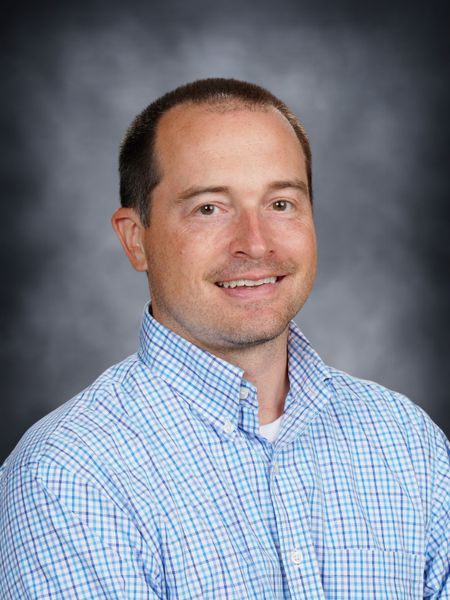
Elementary School Counselor, School District of Fall Creek, Wisconsin
Jon Strand is an elementary school counselor in Wisconsin’s School District of Fall Creek. He came to school counseling after a career as a police officer. His approach to measuring the impact of classroom lessons, using teacher input and pre- and post-surveys, informs our guide for new school counselors.
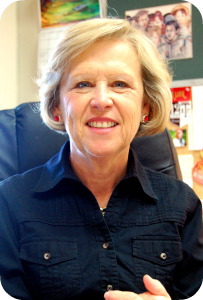
Martha “Moppy” Miller
School Counselor, Red Oak High School, Red Oak, Texas (at time of interview)
When she spoke with us, Martha “Moppy” Miller was a high school counselor at Red Oak High School south of Dallas, sharing junior and senior caseloads with a colleague, after six years at Taylor High School. She came to counseling after years in the classroom and held a master’s degree from Texas State.
Emily Sene
School Counselor, Fannin Elementary, Grand Prairie, Texas (at time of interview)
When she spoke with us, Emily Sene was a first-year elementary counselor supporting more than 400 students from pre-K through fifth grade. She came to counseling after nine years as a classroom teacher and completed her master’s program at the University of North Texas.
Our Research: Starting at the Source
Behind our program lists is a database of more than 260 CACREP-accredited school counseling graduate programs, along with the bachelor’s degrees and accelerated bachelor’s-to-master’s pathways that lead into them. We don’t take a school’s word for its accreditation, and we don’t copy tuition from other rankings.
Accreditation
Our program research uses the official CACREP directory to verify accreditation status. When we know a program’s accreditation is under review or nearing the end of its cycle, we say so and give the date. Because accreditation can change, confirm current status with CACREP before enrolling.
Tuition
Tuition comes from the university’s own published rates, calculated as the per-credit rate times the program’s credits. We keep the source page, the exact wording, and the date we checked it. When we can’t tie a rate to the specific program, we don’t publish it.
Program details
Formats, online delivery, admissions requirements, and specialty tracks are researched from the university’s own published materials. Confirm current details with the university before enrolling.
Writers Who Have Contributed
Over the years, these writers helped build School-Counselor.org, translating research, regulations, and interviews into guides prospective counselors could use while deciding their next step. Today our content is produced and updated by our editorial staff, following our editorial standards.
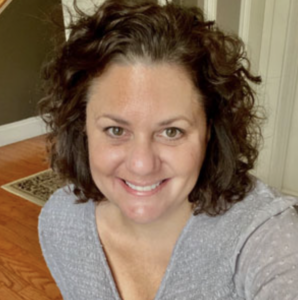
Rebecca Turley
Writer and editor
Rebecca is a full-time writer and editor with a BA in Journalism and Communications. Her career highlights include ghostwriting several published books, editing for a national book publishing company, and writing for many high-profile websites and blogs aimed at the education, healthcare, and social sciences fields.
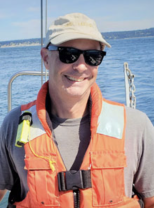
Scott Wilson
Author and IT consultant
Scott is an author and IT consultant based in the Pacific Northwest. He holds a BA in English from the University of Washington and has spent more than 20 years in information technology, experience that gives him a sharp eye for clear, precise explanations of technical subjects.
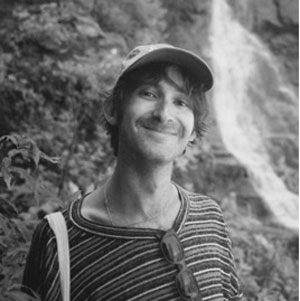
Jack Levinson
Writer
Jack is a writer born and raised in Los Angeles. He holds a BA from Vassar College and has written professionally on education, business, and career topics.
What You’ll Find Here
State licensing guides
Career, certification, and salary guides for all 50 states and Washington, D.C.
Salary and job outlook
State, metro, and national figures from the U.S. Bureau of Labor Statistics, with the data period stated every time.
Program lists
Curated and ranked lists of CACREP-accredited programs, each with its methodology explained on the page.
Education pathways
Guides to every stage of the path, from the bachelor’s degree you start with to master’s, Ed.S., and doctoral programs.
The day-to-day job
Career profiles and practical guides on caseloads, internships, crisis response, and what a counselor’s week really looks like.
Community
Counselor educators who prepare new counselors and practitioners who do the work, sharing what they’ve learned with the people coming up behind them.
Our Editorial Standards
We go to the source. Our accreditation research uses the CACREP directory. Licensing and certification requirements come from state departments of education and licensing boards. Salary and employment figures come from the U.S. Bureau of Labor Statistics, and tuition comes from each university’s own published rates.
When we want real perspectives rather than published sources alone, we go to the people who know best: counselor educators and practicing school counselors. Their words appear in our articles as they gave them.
Because certification requirements can change before we have time to update every page, we always encourage readers to verify current requirements directly with their state’s Department of Education.
Everything we publish follows our editorial standards: where our facts come from, how we use AI, and how each article is fact-checked by a person before it’s published.
For questions or corrections, reach us at [email protected].
Not sure where to start? Our guide to becoming a school counselor walks through the full path, from degree to state credential.